

Description
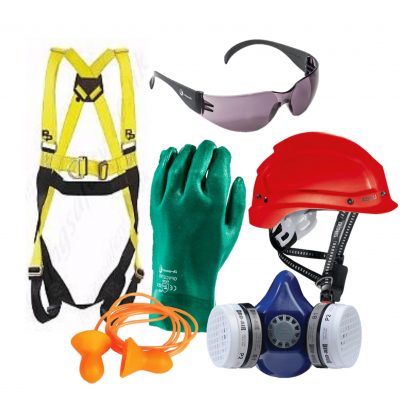
Safety equipment refers to devices, tools, or gear designed to protect individuals from potential hazards, reduce the risk of accidents, and promote overall safety in various environments. These equipment are crucial in ensuring the well-being and protection of individuals in workplaces, industries, and other potentially dangerous settings. Here is a short description of some common safety equipment:
- Personal Protective Equipment (PPE): PPE includes items such as helmets, gloves, safety goggles, masks, earplugs, high-visibility clothing, and safety shoes. These are worn or used by individuals to protect themselves from physical, chemical, biological, or environmental hazards.
- Fall Protection Equipment: Fall protection equipment includes harnesses, lanyards, and safety ropes designed to prevent or minimize the risk of falling from heights. These are essential in industries like construction, roofing, and maintenance work.
- Fire Safety Equipment: Fire safety equipment encompasses fire extinguishers, fire blankets, fire alarms, smoke detectors, and emergency exit signs. They are used to detect, suppress, or escape from fire incidents, safeguarding lives and property.
- Respiratory Protection Equipment: Respiratory protection equipment, such as respirators or masks, are used to protect against airborne contaminants, hazardous fumes, or particles. These are commonly used in industries involving chemicals, asbestos, or airborne diseases.
- First Aid Kits: First aid kits contain essential supplies for administering immediate medical assistance in case of injuries or accidents. They typically include items like bandages, antiseptics, dressings, scissors, and CPR masks.
- Safety Signs and Labels: Safety signs and labels provide visual communication to warn individuals of potential hazards, indicate mandatory actions, or offer emergency information. They are important for guiding and instructing people in various environments.
- Lockout/Tagout Devices: Lockout/tagout devices are used to isolate energy sources and prevent accidental start-up of machinery or equipment during maintenance or repair work. They include lockout hasps, padlocks, tags, and electrical lockout devices.
These are just a few examples of safety equipment available to ensure the well-being and protection of individuals in different environments. The specific safety equipment required may vary depending on the industry, workplace regulations, and specific hazards present. It is essential to assess the risks and consult relevant guidelines or experts to determine the appropriate safety equipment needed for a particular setting.
Reviews
There are no reviews yet.